Introduction: The Two Pillars of Organic Bedding
In the quiet, sprawling landscape of sleep science, two fibers repeatedly co-create the fabric of our nightly lives: organic cotton and organic wool. Each fiber carries a distinct story of origin, processing, and performance. Organic cotton, grown without synthetic pesticides and engineered for softness, offers a breathable, smooth surface suitable for a broad range of climates. Organic wool, a natural guardian of temperature and moisture, brings resilience, natural flame retardance, and a unique texture that can regulate body heat across seasons.
This article canvasses the material-by-material differences, from field to fiber to finished bedding product. Within this exploration, we consider sheets, mattress pads, toppers, and even nursery bedding where purity and safety are paramount. By weaving together comfort, care, and environmental impact, we aim to illuminate how these materials behave in the real world—and how readers can decode labeling claims with greater confidence.
Origin Stories: Where Cotton and Wool Come From
Organic cotton is a cultivated crop, typically grown with reduced chemical input and under certification schemes such as GOTS (Global Organic Textile Standard). The fiber is spun, woven, and finished into textiles that feel soft against the skin. Organic wool, on the other hand, begins with responsible sheep farming, often under Wool or GOTS certifications for the textile portion, and is processed into batts or blends that can provide loft, warmth, and resilience.
The lifecycle of each fiber—from farm to finish—affects not only comfort but also environmental footprint and ethical considerations. Cotton’s water use and soil health, wool’s animal welfare practices, and the energy consumed during processing all inform the sustainability narrative of a bedding product.
Comfort Profiles: How They Feel in Bed
Organic Cotton: Breathable, Soft, and Light
Organic cotton sheets and padding surfaces are celebrated for their smooth, cool touch and cotton’s natural breathability. The fiber’s natural moisture-wicking properties help regulate microclimate, which can be especially appealing in warmer climates or for sleepers who prefer a lighter touch.
- Temperature: Generally cooler to the touch; good for warm sleepers.
- Feel: Soft, crisp, and smooth; ideal for a clean, minimal layering system.
- Care: Usually machine washable; fibers can pill over time but remain durable with proper washing.
Organic Wool: Temperature Regulation and Loft
Organic wool brings a different dimension to sleep surfaces. Its natural crimp and fiber structure trap air, creating loft and insulating properties. Wool is often celebrated for its ability to wick moisture away from the body and release it into the environment, maintaining a comfortable microclimate across seasons.
- Temperature: Adaptive; cool in summer, warm in winter due to natural loft.
- Feel: Plush, resilient, with a buoyant support that resists flattening.
- Care: Some wool products are machine washable; others require spot cleaning or gentle care depending on finish.
Label Literacy: Reading Claims with Confidence
The bedding market frequently uses terms like “organic,” “GOTS-certified,” “GOLS-certified,” and “OEKO-TEX.” Understanding what these labels signify—the standards, certifications, and quality controls—helps consumers align product choices with their values and needs.
Organic cotton products bearing GOTS certification ensure both organic fiber content and responsible processing. In wool, GOTS and other certifications address farm practices and textile processing, including flame retardants and chemical applications. Reading fiber content, fill weight, and care instructions becomes a practical exercise in identifying what truly aligns with a consumer’s health and environmental goals.
Practical Guides: Evaluating Label Claims
- GOTS-certified organic cotton ensures raw fiber is organic and processing meets environmental and social criteria.
- 100% organic cotton vs. cotton blends: verify the percentage of organic content and the non-organic components’ impact on performance.
- Potential trade-offs: higher cost, potentially higher purchase value but long-term durability and comfort benefits.
- Wool content may be 100% or blended with other fibers; verify the proportion and the processing standards.
- GOTS-wool and related certifications signify responsible farming and textile processing.
- Wool’s care requirements vary by product; some are machine washable, others recommend spot cleaning or air care.
Environmental Footprint: Life-Cycle Considerations
Environmental impact is a multifaceted measure. Organic cotton often reduces chemical exposure in the growing phase and can improve soil health when cultivated with rotation and cover crops. Wool’s animal-sourced origin carries considerations around land use and animal welfare, but wool is inherently durable and long-lasting, potentially reducing replacement cycles. Lifecycle analyses are nuanced; they depend on farming practices, processing energy, and transport distances.
Consumers can support lower-impact choices by seeking high-certification content, favoring products with transparent supply chains, and selecting bedding items designed for longevity, repairability, and recyclability.
Case Studies: Materials in Practice
Across the bedding landscape, several profiles illustrate how cotton and wool play out in real products. In our exploration, we reference a few representative offerings to ground the discussion.
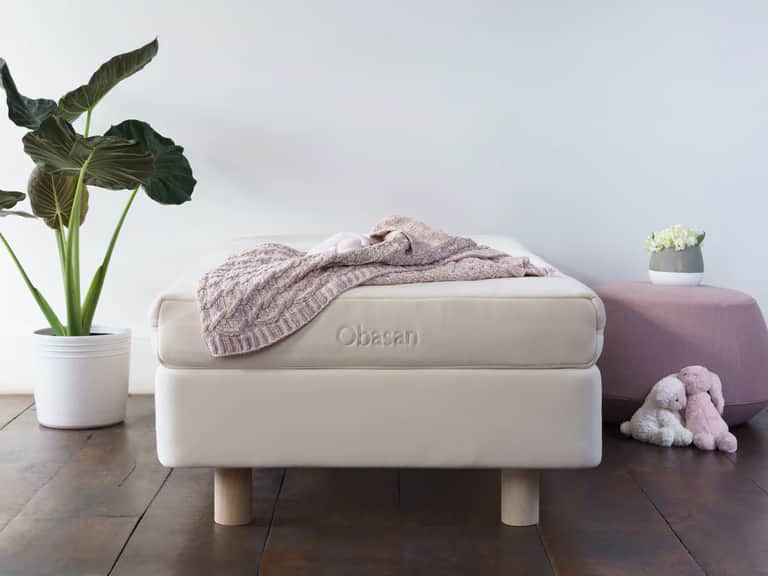
Obasan Organic Dunlop Latex Mattress for Children
While primarily a latex mattress, Obasan’s approach embodies organic integrity across materials and construction. The product features two Dunlop latex cores, wrapped in organic jersey cotton, and finished with wool for natural flame retardance and temperature regulation.
Certifications: GOTS, GOLS, and organic wool support
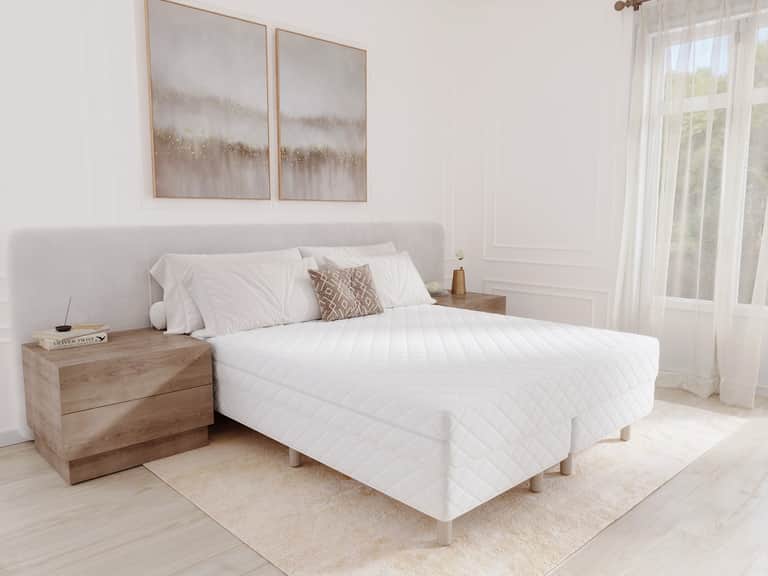
Hudson Organic Dunlop Latex Mattress (Naturally Organic)
The Hudson system emphasizes layered wool and organic cotton, balancing firm support with a pressure-relieving surface. It showcases how organic latex, cotton, and wool can converge into a cohesive sleep platform.
Care: Wool as a natural flame retardant; GOTS-certified materials
Product Spotlight: A See-Through Look at an Organic Floor
Obasan Organic Dunlop Latex Mattress for Children
This child-focused mattress demonstrates how organic Dunlop latex, jersey cotton, and wool can blend safety, comfort, and durability. The design supports growing bodies while maintaining chemical-free construction.
View ProductNaturally Organic Hudson Latex Mattress
A balanced example of a layered organic latex system with wool and cotton, designed for accessibility and durability.
View ProductExpert Voices: Three Key Figures Across Time
The organic bedding conversation has been shaped by researchers, designers, and advocates across eras. Their insights illuminate how material choices intertwine with sleep health and environmental stewardship.
“The soil that feeds cotton and the pasture that nourishes wool memory of the land's health in every thread.”
“Documentation and transparency are the antidotes to greenwashing; consumers deserve clear paths from fiber to finish.”
“Sustainable sleep begins with the soil, moves through the loom, and ends in a night of restorative rest.”
Closing Thoughts: Choosing with Purpose
The choice between organic cotton and organic wool is not a single decision but a dialogue between climate, season, sleep position, and personal sensitivities. Cotton offers a cool, breathable foundation for many—especially in warm climates or for those who prefer a crisp surface. Wool provides adaptive warmth, loft, and moisture management that can shape how a sleeper experiences night after night.
For the conscientious consumer, the path forward is anchored in transparency: seek products with verifiable certifications, understand the fiber’s lifecycle, and select bedding that harmonizes with your environment, health goals, and values. In this way, bedding becomes not only a means to rest but a stewardship of the spaces where we recharge.