Understanding Organic Mattresses: Materials, Benefits, and Practical Buying Tips
In a market crowded with choices, the domain organicmattress.com signals a clear, focused mission: help readers understand what makes a mattress truly organic, from the fibers that touch our skin to the certifications that prove it. This article layers historical context, material science, and practical guidance into a narrative aimed at health-conscious sleepers who want to sleep well while doing right by the planet.
To illuminate this topic beyond product specs, we explore insights from pivotal figures across time who reshaped our understanding of comfort, health, and production ethics. We also weave in a representative product from the Savvy Rest and Naturepedic families to ground the discussion in tangible options that exemplify the values of organic sleep technology.
What "Organic" Really Means in Sleep
When we talk about organic mattresses, we’re describing more than a single material. It is a holistic approach to sleep surfaces that prioritizes natural origins, chemical-free processing, and transparent certifications. At its core, an organic mattress aims to minimize synthetic foams, flame retardants, pesticides, and off-gassing—elements that can irritate sensitive skin or contribute to indoor air pollution.
Foundational materials often cited in organic mattresses include:
- Organic cotton: grown without synthetic pesticides, processed with minimal chemical interventions, and often used in the outer fabrics, covers, and padding.
- Natural latex (Dunlop or Talalay): derived from rubber trees, offered in organic variants labeled as GOLS-certified, known for their resilience, breathability, and hypoallergenic properties.
- Wool: used as a natural flame barrier and temperature regulator, typically sourced through organic and humane supply chains.
- Other plant-based or mineral fillings: PLA (polylactide) from plant sources, kapok, and other sustainable fibers can appear in organic pillow and comforter lines, illustrating a broader eco-sleep ecosystem.
Certifications act as health and safety signposts. Among the most respected are:
- GOTS (Global Organic Textile Standard): ensures organic status from harvest to finished textile, with strict rules around dyes, dyes, and processing.
- GOLS (Global Organic Latex Standard): verifies organic latex content and manufacturing ethics.
- GREENGUARD Gold of GREENGUARD certification: confirms low chemical emissions for indoor air quality.
Beyond labels, practical benefits include breathability, durability, and allergen resistance. Breathability matters because better airflow reduces heat buildup, while durable natural fibers endure repeated washings and daily use. Allergen resistance stems from materials that resist dust mites and chemical irritants, contributing to a sleeping environment that supports long, restorative nights.
Materials in Focus: Cotton, Latex, and Wool
Organic cotton offers a soft, breathable surface with lower chemical exposure compared to conventional cotton. The fabric can be used in quilted covers, mattress protectors, and sheets. When paired with a latex core, organic cotton helps maintain a true organic sleeping environment without the feeling of synthetic foams.
Natural latex provides resilient support with excellent contouring. In organic mattresses, latex is typically labeled as GOLS-certified and can be produced in Dunlop or Talalay processes. The result is a surface that adapts to weight distribution, reduces motion transfer, and maintains airflow for a cooler night.
Wool plays a multifaceted role: it can act as a natural flame barrier, provide humidity regulation, and contribute to overall thermal comfort. Because wool is naturally hydrophobic, it can help wick moisture away from the body, maintaining a dry sleeping surface. Organic wool is often sourced with a focus on animal welfare and sustainable farming practices.
Real World Comparisons: Organic vs. Traditional Mattresses
A practical decision when choosing a mattress is to compare organic products with traditional ones. Traditional mattresses may rely on polyurethane foams, synthetic fabrics, and chemical flame retardants. Organic mattresses avoid or minimize these elements, offering several distinguishing advantages:
- Reduced exposure to potentially harmful chemicals for sleepers and children.
- Improved indoor air quality due to lower volatile organic compounds (VOCs).
- Enhanced long-term durability through natural materials that maintain structure without heavy chemical processing.
- Greater emphasis on animal welfare and sustainable farming practices in the supply chain.
However, the organic category can come with trade-offs. Some organic options may be pricier due to ethical sourcing, certification costs, and the complexity of manufacturing with natural materials. Others may be firmer or loftier by design, requiring careful consideration of sleep position, temperature preferences, and maintenance routines. The key is to align personal comfort with a material strategy that minimizes chemical exposure and supports environmental health.
How to Read Labels: A Practical Guide
When you stand before a mattress, the label is your first compass. The following checklist helps ensure you’re selecting a genuinely organic product:
- Check for verified certifications (GOTS, GOLS, GREENGUARD Gold).
- Identify core materials: is there a latex core, a cotton cover, wool barrier, or a hybrid approach?
- Understand the layering: what layers are on top, and what materials frame the core?
- Review the country of manufacture and the supply chain. Transparent sourcing is a hallmark of organic brands.
- Assess maintenance needs: are there removable covers, machine-washable components, or caution against high-heat drying?
In short, the goal is to ensure the product is not only labeled as organic but is backed by verifiable standards that ensure the materials’ integrity and safety across the product’s lifecycle.
A Time Capsule of Ideas: Three Key Individuals
To frame the ongoing evolution of organic sleeping materials, consider three influential figures whose ideas crossed centuries and continents, shaping how we understand materials, health, and comfort:
-
Sir Percival Lowell (19th–early 20th century) – Early Moments in Hygienic Design
Lowell’s era marked a shift toward cleaner, more health-conscious consumer choices. While not directly a mattress innovator, his era’s emphasis on sanitation, safe materials, and consumer protection laid groundwork for later, more rigorous product certifications. The modern push for non-toxic interiors owes much to an era that began to interrogate the safety of everyday goods.
-
Dr. Mae Jemison (20th–21st century) – Health, Environment, and Everyday Living
As a physician and advocate for science education, Jemison embodies the notion that daily choices—like sleep surfaces—affect long-term health. Her emphasis on evidence-based approaches informs contemporary thinking about how we document, test, and trust organic materials in bedding and beyond.
-
Dr. Michael Pollan (21st century) – The Ethics of Food, Sleep, and Material Sourcing
Pollan’s work on ecology, sustainability, and healthy living extrapolates well into the realm of bedding. His insistence on traceability and the ethical dimensions of what we consume speaks directly to the organic mattress movement: who makes the materials, how they’re harvested, and what certifications guarantee that truth.
Together, these figures illustrate a thread that runs through centuries: the pursuit of healthier lives through materials we can trust. In the realm of organic mattresses, this translates into enduring commitments to transparency, safety, and ecological responsibility.
A Practical Buying Guide for 2026
If you’re shopping for an organic mattress today, here is a practical path to make a sound choice:
- Define your sleep priorities: position (side, back, stomach), temperature preferences, and whether you need motion isolation or edge support.
- Match materials to your needs: latex cores for support and contouring, cotton covers for breathability, and wool barriers for climate control.
- Invest in certifications: prioritize products with GOTS, GOLS, and GREENGUARD Gold when possible, and read the label carefully for sourcing details.
- Consider maintenance: look for removable, washable covers and guidance on care to preserve the organic materials.
- Factor long-term value: organic mattresses can offer durability that justifies the initial cost, especially when you consider how they influence sleep quality and health outcomes.
Finally, pair your mattress with compatible organic protectors and accessories to preserve the surface, maintain hygiene, and extend the lifespan of your investment.
A Featured Product: Savvy Rest Unity Pillowtop Latex Mattress
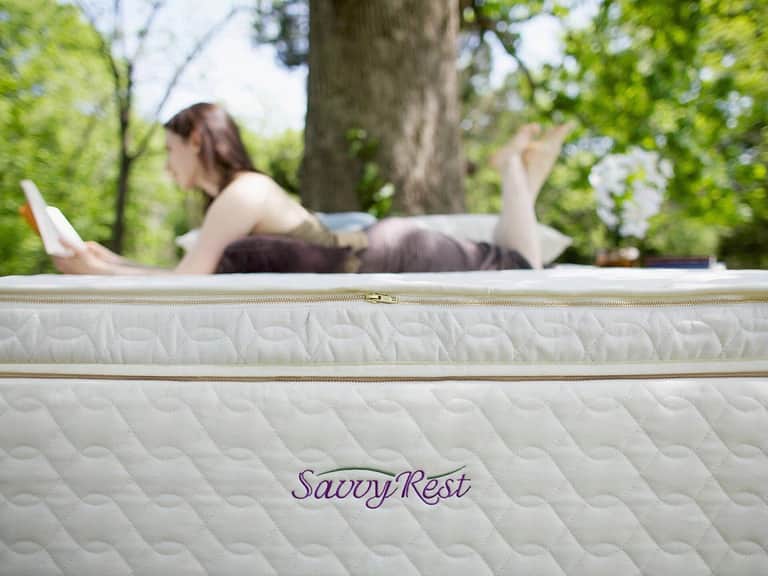
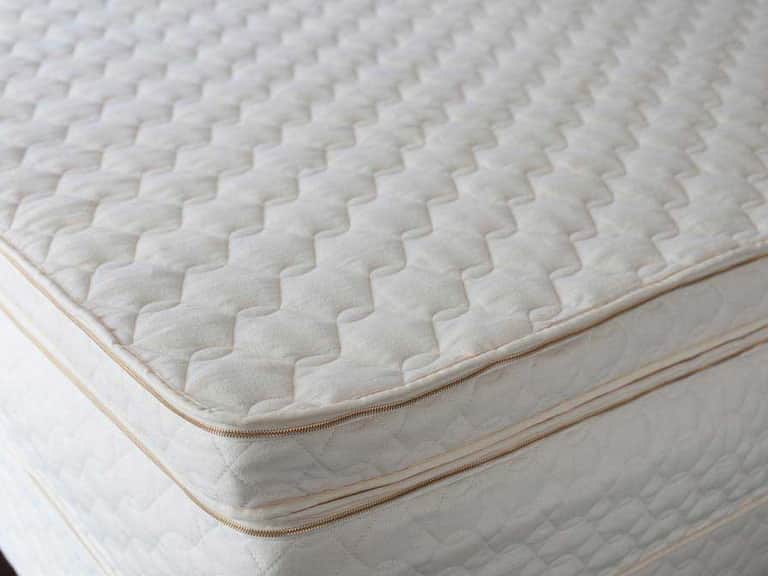
The Savvy Rest Unity Pillowtop Latex Mattress is a prime example of how organic materials can converge into a high-performance sleep surface. This 13-inch mattress combines a three-layer Serenity Dunlop latex foundation with a Harmony latex topper in Talalay, all wrapped in an organic cotton outer casing. The pillowtop adds an extra layer of plush comfort intended for side sleepers who seek pressure relief at the shoulders and hips. The unit’s layered design is the kind of thoughtful engineering that helps sleepers tailor their bed to their exact needs, a hallmark of Savvy Rest’s approach to customization and durability.
The Unity Pillowtop is produced with careful attention to material purity: an outer cover of 100% certified organic cotton, organic Dunlop latex, and a wool-based flame barrier, all designed to be breathable and durable. The product carries the weight of a brand that has built its reputation on layered customization and long-term warranties—20 years for those using it with a Savvy Rest foundation.
Savvy Rest Unity Pillowtop Latex Mattress
Note: The product shown is representative of the Unity Pillowtop family and emphasizes organic cotton, Dunlop latex, and natural wool fire barriers. Availability and specifications may vary by retailer.
In the Nursery: Organic Sleep for the Next Generation
The same ethical principles apply to baby sleep surfaces. Organic crib mattresses and accessories minimize a baby’s exposure to synthetic materials while supporting safe, comfortable sleep. Products like Naturepedic and Obasan crib mattresses demonstrate how organic design extends beyond the adult bed into the nursery, with features like GOTS-certified cotton fabrics, washable covers, and plant-based or natural latex core options. These choices align with the broader philosophy of an organic lifestyle—protecting health and the environment from the earliest moments of life.
As a practical note, many certified-organic nursery products are designed with safety regulations that address child-specific considerations, including firm sleep surfaces and avoidance of flame retardants. A growing number of families now seek to align their baby’s sleep environment with the same conscious approach used for their own beds, underscoring the universal demand for safer, more natural sleep.
Conclusion: A Sleep Philosophy for 2026
Organic mattresses offer a principled blend of health, sustainability, and comfort. They invite sleepers to consider not only how a mattress feels, but how it is made, what it contains, and how it ends its life. The conceptual arc—from organic cotton fibers to GOTS and GOLS certifications, from wool flame barriers to latex resilience—reflects a broader cultural shift toward more mindful consumption and long-term thinking about our homes and health.
Ultimately, the choice is personal, but the criteria are universal: a mattress that supports restful sleep, minimizes chemical exposure, and respects the Earth’s resources. For readers of organicmattress.com, the path is clear: prioritize materials you can verify, celebrate brands that embrace transparency, and seek a sleep surface that will stand the test of time—while helping you wake up ready to face the day with renewed energy and a cleaner conscience.
Images available for selected products: Savvy Rest Unity Pillowtop Latex Mattress, Naturepedic Organic Cotton and Latex Travel Pillow, and Naturepedic Organic Side Sleeper Pillow.