Materials at the Core: organic cotton, natural latex, and wool
Organic mattresses are not a single material but a tapestry of components designed to work in harmony with the body and the planet. At the heart of most organic mattresses you’ll find three elemental materials—organic cotton, natural latex, and wool—that balance breathability, support, and durability in distinct ways.
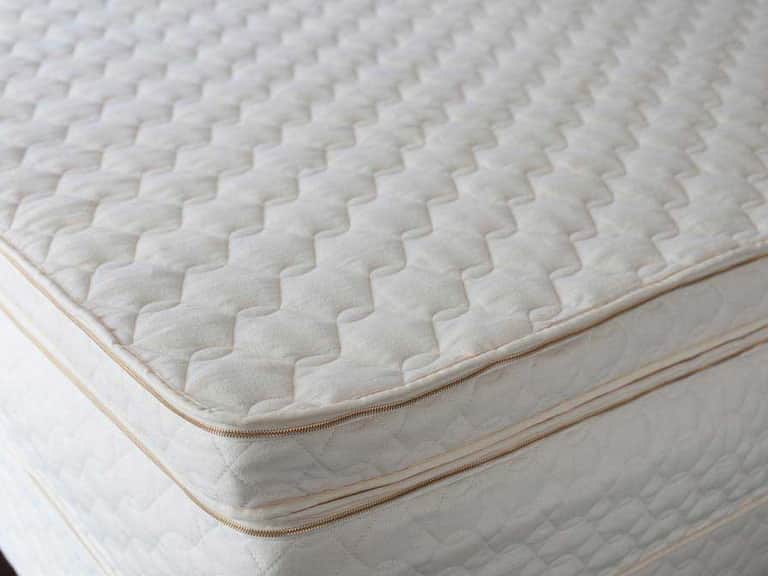
Organic cotton serves as the skin of the product: a breathable foundation that reduces exposure to pesticides and synthetic inputs. When harvested under GOTS standards, organic cotton brings intrinsic safety and softness to the surface while supporting soil health and fair-trade-friendly farming practices.
Natural latex, sourced in Dunlop or Talalay forms, delivers responsive support that adapts to the sleeper’s weight and movement. Latex bristles with natural resilience, offering a buoyant feel while maintaining a contour-friendly surface that avoids the notorious “sag” of cheaper foams.
Wool often acts as a natural flame barrier, temperature moderator, and moisture management system. Wool fillings and covers contribute to a cooler night in warm climates and a warmer feel when temperatures drop—without chemical flame retardants or synthetic additives.
Together, these materials create a sleeping environment that aligns with a health-conscious lifestyle while minimizing environmental impact. The result is not merely a bed but a sanctuary for rest, health, and daily energy.
Certifications: Reading the passport to a non-toxic sleep environment
Two standout certifications guide consumers through the maze of claims: Global Organic Textile Standard (GOTS) and Global Organic Latex Standard (GOLS). Each speaks to different layers of material and process integrity.
- GOTS covers organic fibers (notably cotton and other natural fibers) and enforces environmental and social criteria across the supply chain—from fiber growing to fabric finishing and labeling. A GOTS-certified textile is a strong indicator of minimal chemical exposure and ethical production.
- GOLS focuses on latex—specifically the organic latex used in mattresses and toppers. GOLS certification ensures that the latex is produced with organic practices and meets strict standards for environmental responsibility and human health.
- Certifications such as GREENGUARD Gold or MADE SAFE further inform low chemical emissions and overall safety, often accompanying mattress and accessory products.
Beyond certification logos, consumers should consider product-specific disclosures: the proportion of organic materials, whether a product uses natural flame barriers (like wool or organic cotton wraps) rather than chemical flame retardants, and the presence of any synthetic foams in proximity to the core assembly. In a landscape of competing claims, a transparent materials list paired with credible third-party certification offers the clearest path to trust.
Organic vs Traditional: How to compare
Comparing organic and traditional mattresses is less about a single dimension and more about a constellation of factors: materials, durability, allergies, maintenance, and the environmental footprint of production.
- Organic materials tend to harbor fewer chemical irritants and off-gassing. For allergy-prone sleepers, latex and wool can offer hypoallergenic properties when properly processed and certified. Some individuals may still experience sensitivities to latex; in such cases, a 100% organic cotton cover with alternative natural fillings may be preferable.
- Natural latex and wool boost airflow, often resulting in cooler sleep versus memory-foam-based options that can trap heat. Organic cotton layers further aid moisture wicking and skin comfort.
- Latex cores, in particular, hold their contour and restorative properties longer than many synthetic foams. Wool adds resilience and flame resistance without added chemicals, contributing to a mattress that wears gracefully over time.
- Organic mattresses often come with removable, washable covers and pads, facilitating cleaner sleep environments. Wash cycles, air-out routines, and mindful sun exposure help maintain the longevity of natural materials.
In the long arc of sleep health, an organic mattress is not just about avoiding toxins; it’s about embracing materials that interact positively with the body’s rhythms—breathing easy, sleeping more soundly, and waking with more consistent energy levels. The choice often comes down to how one balances price, durability, and the weight of ethical considerations with night-after-night comfort.
Key Voices Across Time: Perspectives on Sleep, Health, and Comfort
1) Florence Nightingale (1820–1910): The Founder of Modern Hygiene
Even before contemporary certifications, Nightingale’s emphasis on clean environments and evidence-based nursing laid a modern foundation for how we think about health and recovery. Her insistence on sanitary conditions and observation-based care resonates with the current emphasis on non-toxic sleep surfaces. A mattress built on natural, safe materials would likely have appealed to her ethos of reducing bedside risk—creating spaces where rest supports healing and resilience.
In Nightingale’s era, cleanliness and breathable fabrics were already recognized as essential to recovery. The organic mattress movement continues that legacy: removing harsh chemicals, embracing breathable textiles, and prioritizing the patient’s (the sleeper’s) comfort as a core health intervention.
2) Jane Goodall (b. 1934): Stewardship and the Living World
Goodall’s work reframes comfort and health as responsibilities that stretch beyond human convenience to ecological guardianship. An organic mattress, crafted with GOTS and GOLS-certified fibers, embodies a small but meaningful gesture toward sustainable living. The relationship between safe sleep and environmental wellbeing mirrors Goodall’s call to protect ecosystems—recognizing that daily choices, from soil to sleep, shape a broader future.
For Goodall, the dignity of living beings extends to the products we bring into our homes. Organic mattresses, with natural latex, cotton, and wool, reflect a commitment to minimizing harm and respecting natural cycles—an embodiment of humane stewardship in interior spaces.
3) Marie Kondo (b. 1984): The Art of Tidying Sleep
Kondo’s organizing principles converge with the ethos of organic sleep: simplicity, intentionality, and a space that sparks joy. An organic mattress contributes to a decluttered, healthier bedroom—where only the essential, safe elements occupy the sanctuary. Materials that breathe, resist toxins, and endure fit neatly into a life designed for ease: fewer chemical exposures, easier maintenance, and a calmer nightly ritual.
In a world of endless options, a curated, high-integrity mattress aligns with a lifestyle of mindful choices—where the goal is not to accumulate but to sustain a quiet, restorative sleep environment.
Product Spotlight: Savvy Rest Unity Pillowtop Latex Mattress
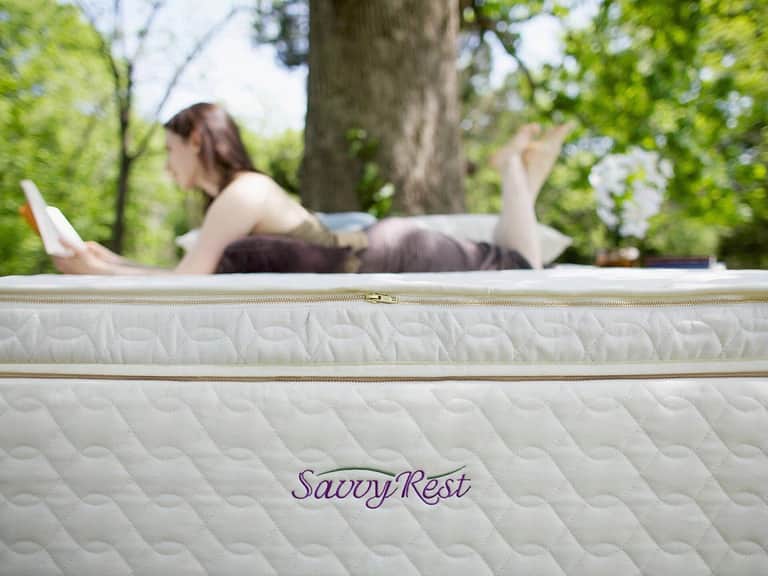
The Unity Pillowtop is Savvy Rest’s plush centerpiece—an intricate four-layer composition that marries Dunlop latex with a Talalay topper. It’s designed for side sleepers who crave pressure relief without sacrificing contour and support. The top layer sits in a separate organic cotton casing, creating a surface that feels both luxurious and intimately customizable. The total height sits at 13 inches, a depth compatible with most deep-pocket sheets and standard bed frames.
Materials under the hood include 100% certified organic cotton for the zippered outer casing, certified Dunlop latex, and a wool-based flame barrier. This configuration honors the tenants of organic sleep: breathable surfaces, chemical-free flame resistance, and a durable, room-temperature balance that supports nightly rest through seasonal shifts.
Savvy Rest Unity Pillowtop Latex Mattress
Height: 13 inches (customizable by layer and side in Queen/King)
Core: Four 3-inch layers with Dunlop latex and a Talalay topper on top
Outer cover: 100% organic cotton; flame barrier: natural wool
Note: Savvy Rest offers a 90-day layer exchange policy to tailor the feel post-purchase.
For shoppers, the Unity Pillowtop example emphasizes how organic and customizable components translate into long-term satisfaction: you aren’t choosing a static product; you’re choosing a responsive system capable of evolving with sleep needs. It’s a reminder that organic isn’t just a label—it’s a promise about how a mattress is built, maintained, and experienced night after night.
Practical Guidance for Shoppers
When selecting an organic mattress, consider a phased approach: define your priorities, verify certifications, and test sleep experiences with a trusted retailer or at-home trial where available. Here are practical steps to guide your decision:
- Are you prioritizing allergen safety, temperature regulation, or long-term durability? Don’t assume all organic products are created equal—material composition and layering significantly alter performance.
- Look for GOTS, GOLS, GREENGUARD Gold, and MADE SAFE labels. Check the scope of certification (fabric, latex, or full mattress) and verify that logos are issued by recognized authorities rather than merely claimed.
- Removable covers, washable pads, and ease of cleaning matter for ongoing sleep health. A mattress with thoughtful, well-constructed protective layers can simplify long-term care.
- If latex sensitivity is a concern, seek out products with natural latex alternatives or a latex-free composition, while still ensuring organic integrity through GOTS and other certifications.
Finally, balance price, warranty, and the retailer’s customer service. A trusted partner that offers transparent materials lists, detailed care guidance, and a robust warranty can turn a purchase into a lasting sleep solution rather than a hasty consumer decision.